




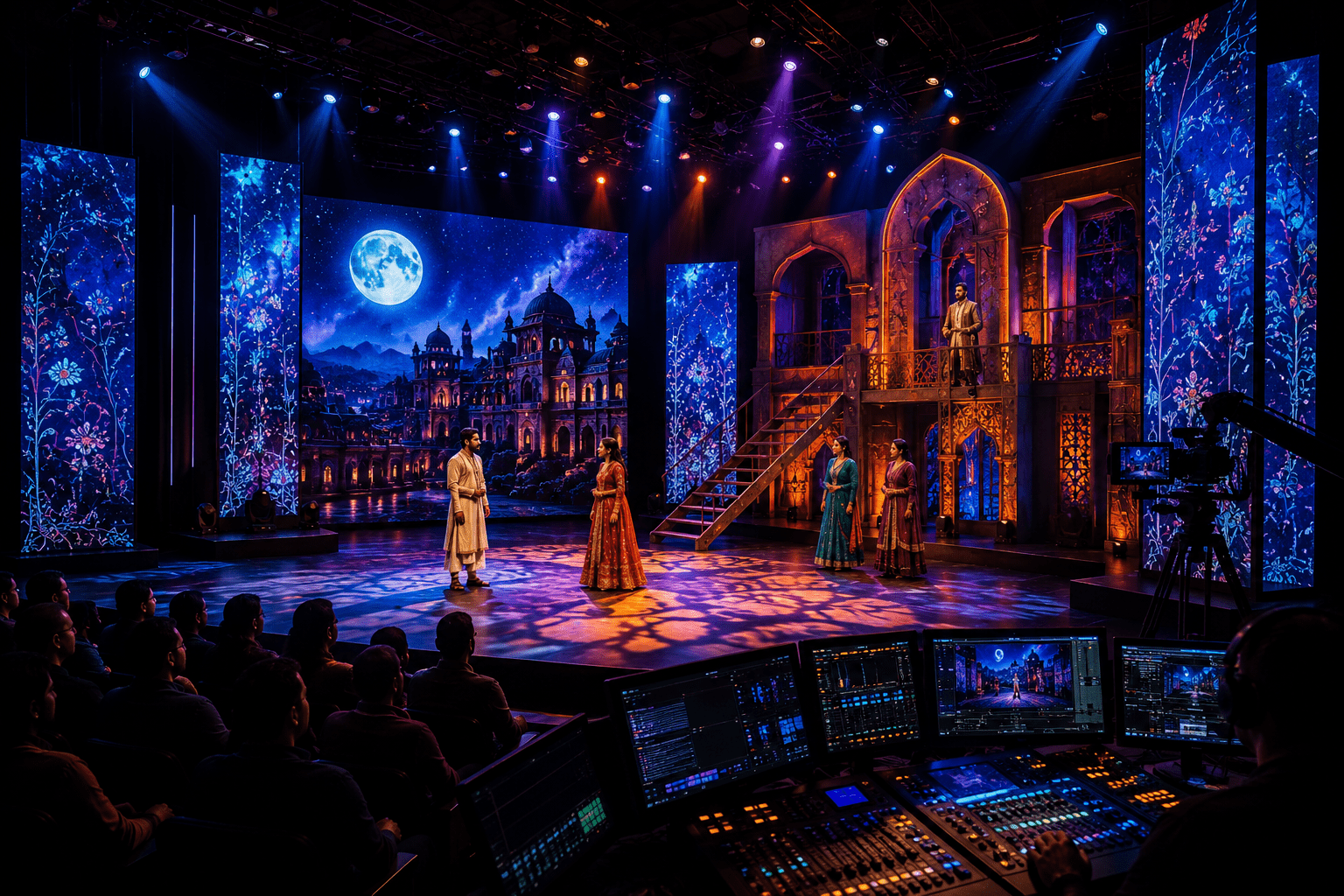
Modern technology has transformed theatre stage productions in remarkable ways, making performances more immersive, visually stunning, and engaging for audiences. While traditional theatre continues to preserve its artistic roots, advanced technologies such as digital lighting, projection mapping, sound engineering, automation, and live streaming are redefining the modern theatre experience.
From large-scale stage productions to experimental theatre performances, technology now plays a major role in enhancing storytelling, stage design, audience interaction, and live entertainment. In this SEO-friendly blog, we explore how modern technology is shaping theatre stage productions and changing the future of performing arts.
The Evolution of Theatre Technology
Traditional theatre relied mainly on live acting, simple lighting, handmade sets, and live music. Today, modern productions combine artistic performance with advanced digital tools and innovative stage systems.
Major Changes in Modern Theatre
- Digital lighting systems
- High-quality sound technology
- LED screens and visual effects
- Automated stage movement
- Online ticket booking
- Live streaming performances
Technology has helped theatre productions become more dynamic and globally accessible.
Importance of Technology in Modern Theatre
Technology supports theatre artists in creating visually powerful and emotionally engaging performances.
Benefits of Modern Theatre Technology
- Enhances storytelling
- Improves stage visuals
- Creates realistic environments
- Increases audience engagement
- Supports creative experimentation
- Expands global reach
Modern tools allow directors and designers to bring imaginative ideas to life.
Advanced Lighting Technology in Theatre
Lighting is one of the most important elements in stage productions.
Modern Theatre Lighting Features
- LED stage lighting
- Smart lighting systems
- Color-changing effects
- Automated spotlight control
- Mood and atmosphere creation
Lighting helps guide audience emotions and highlight important dramatic moments.
Projection Mapping and Visual Effects
Projection mapping technology allows theatre productions to display digital visuals directly onto stage sets and backgrounds.
Uses of Projection Mapping
- Animated backgrounds
- Realistic environments
- Fantasy visual effects
- Dynamic scene transitions
This technology reduces the need for large physical sets while creating impressive visuals.
High-Quality Sound Design
Modern theatre productions use advanced sound systems to improve clarity and audience immersion.
Modern Sound Technologies
- Wireless microphones
- Surround sound systems
- Digital audio mixing
- Background sound effects
- Live music integration
Professional sound design enhances emotional storytelling and audience experience.
LED Screens and Digital Stage Design
LED screens have become increasingly popular in contemporary theatre productions.
Benefits of LED Technology
- Flexible stage backgrounds
- Real-time visual changes
- Interactive visuals
- Enhanced audience engagement
Digital stage design allows productions to create multiple locations quickly and efficiently.
Automation in Theatre Productions
Automation technology helps move stage elements smoothly during performances.
Common Automated Systems
- Moving platforms
- Rotating stages
- Automated curtains
- Mechanical stage effects
These technologies improve scene transitions and production quality.
Special Effects in Modern Theatre
Special effects create excitement and realism during performances.
Popular Theatre Effects
- Artificial smoke and fog
- Rain effects
- Fire simulations
- Laser lighting
- Wind and sound effects
These elements make performances more visually dramatic and immersive.
Virtual and Hybrid Theatre Performances
Digital technology has also introduced virtual theatre experiences.
Modern Digital Theatre Trends
- Live streaming stage plays
- Hybrid theatre events
- Online ticket platforms
- Virtual audience interaction
Technology allows theatre productions to reach audiences beyond physical venues.
Role of Technology in Audience Engagement
Modern theatre productions use technology to create interactive audience experiences.
Interactive Features Include
- Mobile ticketing
- Digital event promotion
- Audience voting systems
- Social media integration
These innovations help theatres connect better with modern audiences.
Technology in Costume and Makeup Design
Advanced technology also supports costume creation and stage makeup.
Modern Costume Technologies
- LED costumes
- Quick-change costume systems
- Digital makeup effects
Creative costume technology enhances visual storytelling and stage presentation.
Artificial Intelligence and Theatre
Artificial intelligence is slowly influencing theatre production and event management.
Possible AI Applications in Theatre
- Script analysis
- Automated lighting adjustments
- Audience behavior tracking
- Digital character animation
AI may play a bigger role in future stage productions.
Importance of Technology in Kerala Theatre
Modern technology is increasingly influencing theatre productions in Kerala as well.
Common Technologies Used in Kerala Theatre
- Digital lighting
- LED stage displays
- Live streaming cultural events
- Online theatre promotions
Traditional theatre groups are combining cultural storytelling with modern production methods.
Challenges of Technology in Theatre
While technology offers many benefits, it also brings certain challenges.
Common Challenges
- High production costs
- Technical failures during live shows
- Need for skilled technicians
- Balancing technology with traditional performance
Theatre creators must ensure that technology supports storytelling without overpowering live acting.
Balancing Tradition and Modern Innovation
Many theatre artists believe technology should enhance rather than replace human creativity.
Why Balance Matters
- Preserves artistic authenticity
- Maintains emotional connection
- Protects traditional theatre values
The human element remains the heart of live theatre performances.
Future of Technology in Theatre
The future of theatre production is expected to become even more innovative and immersive.
Future Theatre Technology Trends
- Augmented reality stage effects
- Virtual reality theatre experiences
- Interactive digital storytelling
- AI-supported production systems
Technology will continue transforming the theatre experience for both artists and audiences.
Why Theatre Still Matters in the Digital Age
Despite digital entertainment growth, live theatre continues to remain unique because of its emotional authenticity and direct audience connection.
Reasons People Still Love Theatre
- Real human performances
- Emotional live experience
- Creative storytelling
- Cultural connection
Technology enhances theatre, but live performance remains its true strength.
Tips for Modern Theatre Productions
Best Practices for Using Technology in Theatre
- Use technology to support storytelling
- Maintain balance between visuals and acting
- Ensure technical reliability
- Focus on audience experience
Creative use of technology can elevate stage performances significantly.
Final Thoughts
Modern technology in theatre stage productions has opened exciting new possibilities for storytelling, stage design, audience interaction, and visual creativity. From advanced lighting and sound systems to projection mapping and virtual performances, technology is helping theatre evolve while reaching wider audiences.
However, the true magic of theatre still lies in live human performance, emotional storytelling, and audience connection. When used thoughtfully, modern technology can beautifully enhance the timeless art of theatre.





Comments are closed