





Theatre has the unique power to create emotional, unforgettable experiences through live storytelling, powerful performances, music, stage design, and audience connection. Some theatre plays remain in people’s hearts for years because they create strong emotional impact, meaningful messages, and memorable performances that audiences can deeply relate to.
From traditional stage dramas to modern theatrical productions, memorable theatre plays combine creativity, emotion, and artistic excellence. In this SEO-friendly blog, we explore what makes a theatre play truly memorable and why live theatre continues to inspire audiences around the world.
The Power of Live Theatre
Unlike movies or television shows, theatre happens live in front of the audience. This creates a direct emotional connection between performers and viewers.
Why Live Theatre Feels Special
- Real-time performances
- Emotional audience interaction
- Unique atmosphere
- Authentic stage energy
- Human connection
Each theatre performance becomes a one-of-a-kind experience.
Strong Storytelling Creates Lasting Impact
A memorable theatre play always begins with a powerful story.
Elements of Great Storytelling
- Interesting plot
- Emotional depth
- Meaningful themes
- Realistic conflicts
- Strong character development
Stories that reflect real human emotions often stay with audiences for a long time.
Memorable Characters and Performances
Talented actors bring characters to life through expressions, dialogue delivery, body language, and emotional performance.
What Makes Characters Memorable
- Relatable personalities
- Emotional realism
- Strong dialogue
- Character growth
- Powerful stage presence
Audiences remember characters who make them laugh, cry, or think deeply.
Emotional Connection with the Audience
The best theatre plays create emotional engagement.
Common Emotional Themes
- Family relationships
- Friendship
- Love and loss
- Social struggles
- Personal dreams
When audiences emotionally connect with the story, the performance becomes unforgettable.
Powerful Dialogues and Script
A strong script is one of the most important parts of a memorable theatre play.
Features of a Good Theatre Script
- Natural conversations
- Meaningful dialogues
- Emotional scenes
- Humor and drama balance
- Clear storytelling structure
Well-written dialogues often become iconic and memorable among theatre lovers.
Importance of Stage Design and Visuals
Stage design helps create the atmosphere and visual identity of a theatre production.
Elements of Effective Stage Design
- Creative sets
- Lighting effects
- Costumes
- Props
- Background visuals
Good stage presentation enhances audience immersion and storytelling.
Music and Sound Effects in Theatre
Music adds emotional depth and dramatic energy to theatre performances.
Role of Music in Theatre Plays
- Builds emotional atmosphere
- Supports storytelling
- Creates tension and excitement
- Improves audience engagement
Traditional and modern theatre productions often use live music for stronger impact.
The Role of Direction in Theatre
The director shapes the entire vision of a theatre play.
What Great Directors Do
- Guide actors
- Improve storytelling flow
- Coordinate stage movement
- Balance visual and emotional elements
Strong direction helps transform a good script into a memorable stage performance.
Audience Interaction and Theatre Experience
Live audience reactions make theatre performances unique.
Why Audience Energy Matters
- Laughter and applause motivate actors
- Emotional reactions create atmosphere
- Interactive moments improve engagement
The connection between performers and viewers makes live theatre powerful.
Real-Life Themes Make Plays More Relatable
Modern audiences often connect strongly with realistic stories inspired by everyday life.
Popular Real-Life Themes
- Social issues
- Family conflicts
- Mental health
- Career struggles
- Cultural identity
Relatable themes help audiences see themselves in the story.
Cultural Identity in Theatre Plays
Theatre often reflects local culture, traditions, language, and social values.
Importance of Cultural Elements
- Preserves heritage
- Builds community connection
- Promotes traditional arts
- Creates authenticity
Regional theatre productions often become memorable because of their cultural richness.
Comedy and Emotional Balance
Many memorable plays combine humor with emotional storytelling.
Why This Combination Works
- Keeps audiences entertained
- Creates emotional contrast
- Makes stories feel natural
- Improves audience connection
Comedy can make serious themes easier to understand and enjoy.
Unique and Creative Presentation
Creative staging and original ideas can make a theatre play stand out.
Creative Theatre Elements
- Experimental storytelling
- Innovative stage setups
- Visual symbolism
- Interactive performances
Creative presentation often leaves a lasting impression on audiences.
Importance of Timing and Pacing
A memorable theatre performance maintains audience attention from beginning to end.
Good Pacing Includes
- Smooth scene transitions
- Balanced emotional moments
- Proper timing for humor and drama
- Engaging storytelling rhythm
Poor pacing can reduce audience interest, even with a good story.
Theatre Plays That Inspire Thought
Many unforgettable theatre plays encourage audiences to think deeply about society and life.
Common Thought-Provoking Topics
- Human relationships
- Social justice
- Equality
- Ethics and morality
- Personal identity
Theatre becomes more meaningful when it sparks discussion and reflection.
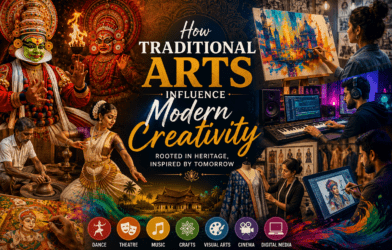
Traditional and Modern Theatre Together
Modern theatre often blends traditional storytelling with contemporary themes and technology.
New Trends in Theatre
- Digital stage effects
- Modern lighting
- Experimental theatre
- Multimedia storytelling
These innovations help theatre stay relevant for younger audiences.
Why People Continue to Love Theatre
Despite digital entertainment growth, theatre remains important because of its emotional authenticity and live experience.
Reasons Theatre Remains Popular
- Genuine human connection
- Live artistic performance
- Cultural value
- Emotional storytelling
- Creative expression
Theatre continues to be one of the most powerful forms of performing arts.
Tips for Enjoying Theatre Plays
How to Have a Better Theatre Experience
- Arrive early
- Focus on live performance details
- Appreciate stage design and acting
- Support local theatre groups
Watching theatre regularly helps audiences better understand performing arts.
Final Thoughts
What makes a theatre play memorable is the perfect combination of storytelling, acting, emotional connection, music, stage design, and audience experience. A great theatre performance has the power to entertain, inspire, educate, and emotionally move people in ways that few other art forms can.
Whether it’s a traditional drama, modern social play, comedy performance, or musical theatre production, memorable theatre stays in the hearts of audiences long after the curtains close.






Comments are closed